“Australian” heavy rockers who have conquered the known world in a
career which encompasses four decades, seventeen albums, three lead singers and
one actual song which they have reproduced over a hundred times. Every track
the band has recorded consists of the same rhythm, a similar riff, some sexual
innuendo and a lead break.

AC/DC- a group who has never played live with a keyboard player but always tour the world with cannons.
AC/DC began life when Scottish born brothers Angus Young (guitar,
facial expressions, and schoolboy impressions) and Malcolm Young (Rhythm guitar
and brother) formed a glam rock group which stumbled around Australia playing
forgettable glitter-chords to confused pub punters and baffled club attenders.
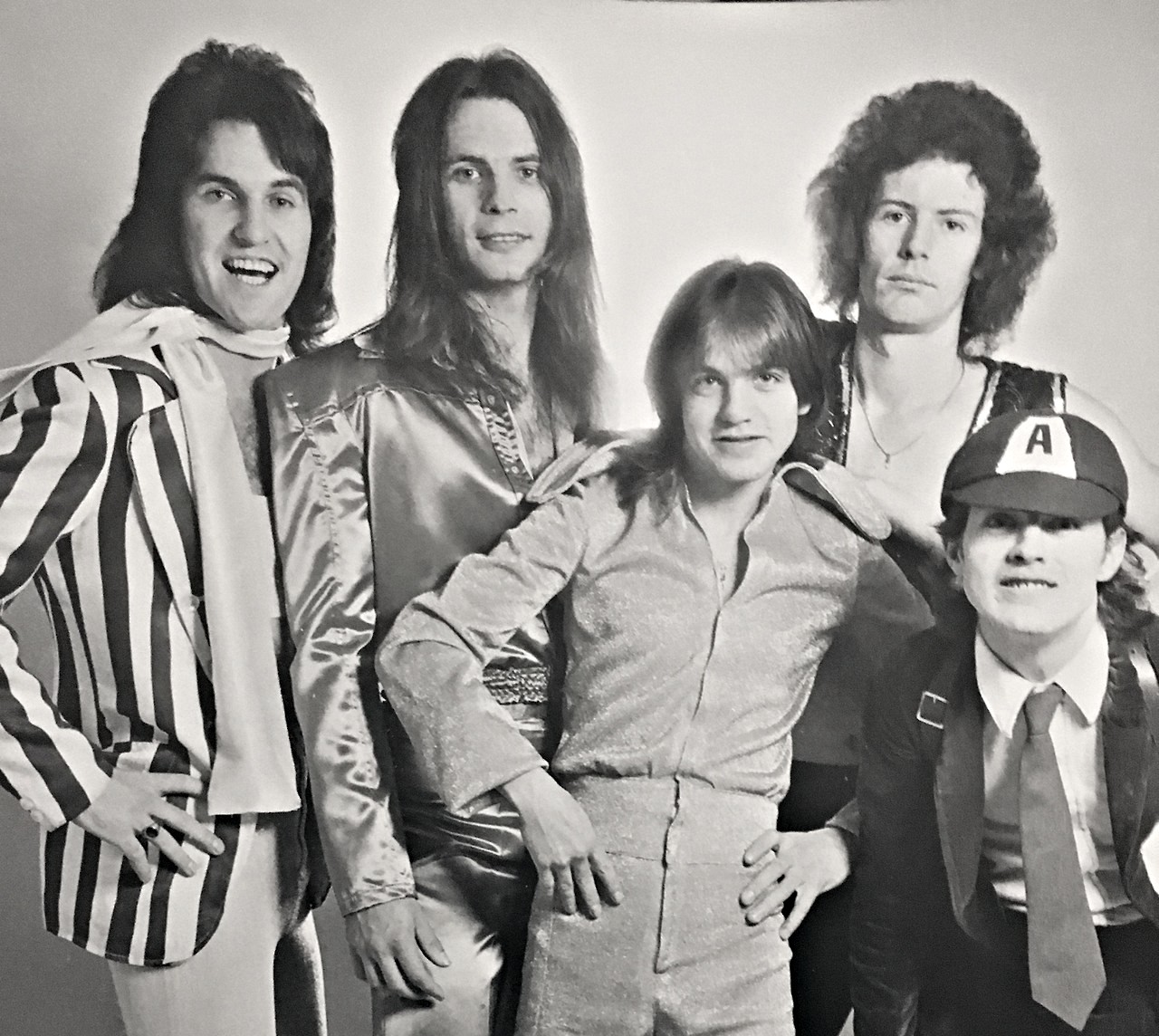
Small people with big hair- AC/DC's first lineup which featured Dave Evans who left the group before their success but has cashed in on the name ever since. They ripped off the glittery clothes around the same time they started ripping off Chuck Berry riffs.
A relocation to Melbourne saw a change in personnel with the
introduction of Scottish born Bon Scott (vocals, leering and drinking) and
Australian Phil Rudd (drums, personality issues) and a change to a riff-based, rock led by Scott, who wrote lyrics which combined blatant sexual innuendo with other, less subtle, sexual innuendo and a strange obsession with sexually transmitted diseases.
Scott sang about a hard-drinking lifestyle and drank heavily himself, proving he could walk the walk as well as talk the talk (at least up until the point where he passed out). Bon Scott once boasted to a reporter that he knew he was suffering from "The Jack" (a slang term for gonorrhea) but wanted to indulge in some dirty deeds. In a rare act of altruistic consideration, he deliberately chose to spend the night with a girl who was sufficiently ugly that nobody else would “have her” so she wouldn’t spread his infection any further (the girl didn’t count).

Scott sang about a hard-drinking lifestyle and drank heavily himself, proving he could walk the walk as well as talk the talk (at least up until the point where he passed out). Bon Scott once boasted to a reporter that he knew he was suffering from "The Jack" (a slang term for gonorrhea) but wanted to indulge in some dirty deeds. In a rare act of altruistic consideration, he deliberately chose to spend the night with a girl who was sufficiently ugly that nobody else would “have her” so she wouldn’t spread his infection any further (the girl didn’t count).

Bon Scott in the most Bon Scott image possible: shirtless, drunk, still drinking and in bed with four women (but don't worry, he'll only infect the ugly one).
After releasing a debut album (1975’s High Voltage) with Malcolm
on bass, the original line up was solidified when Australian Mark Evans (bass,
personality clashes) joined and the group became a local favourite touring
through the notoriously non-discerning Australian pub scene (populated by
punters too drunk to determine whether they were in the audience or the band).
Further albums were released which were essentially the same songs with a
different cover and the band developed a reputation for live shows depended on
stage antics of Angus who duckwalked across the stage, pulled faces and
frequently mooned his audience.

Angus Young, who sometimes mooned his audience but sometimes just left his audience just feeling mooned due to his face's uncanny resemblance to a bared bottom.
The group celebrated their increased success in Australia by
sacking Evans and replacing him with Englishman Cliff Williams, causing no
discernible change in sound but a 20% decrease in the already questionable
Australianess of the group.

The cover of Highway to Hell. AC/DC have often been criticised by religious groups for their satanic connections, an accusation that the band feel is entirely unwarranted and find personally upsetting.
1979’s Highway to Hell broke the group in America and Scott
decided to celebrate their achievement by drinking himself to death in the back
seat of a cheap Renault in South London.

Bon Scott- some claim the facts surrounding his death are mysterious and unresolved. How did a notoriously heavy drinker who began the day with a bottle of Jack Daniels die of alcohol poisoning? We may never know.
The group continued with an album entitled Back In Black which
immortalised their fallen leader with touching lyrics like “She was a fast
machine she kept her motor clean.” Lead vocalist duties were taken up by
Geordie hat-wearer Brian Johnson who paid tribute to Scott by singing every
song as if he was trying to vocalise through a throat filled with vomit.
Back in Black proved a staggering success and sold more copies
than the population of Australia and Scotland combined. The group quickly
released For Those About To Rock a year later which was another commercial
success despite containing only one song anyone but the most ardent AC/DC fan
can recall. While one hit might have seemed a paltry total for months spent
recording, it was actually one more than the follow up managed to produce.
1983’s Flick Of The Switch marked a decline in the band’s fortunes
as the Young brothers decided to produce the album themselves but didn’t bother
to write any material that even their most devoted fans bothered listening to
more than once. It also saw the departure of Drummer Phil Rudd whose drug-taking had become too problematic. Angus Young was a teetotaller and faithful
husband who couldn’t tolerate band members actually living the lifestyle the
band boasted about every night onstage. Rudd was replaced by English born Simon
Wright, which meant every member of “Australia’s biggest musical export” was
born in the United Kingdom. The group staggered on throughout the eighties as
their album sales continued to recede like the hairlines of their ageing
fanbase.
AC/DC should have started the 1990’s in their rightful position as a
misogynist joke cashing in on past glories but implausibly managed to stage a
comeback to the top of the charts with Razors Edge and lead single
Thunderstruck. Rudd had now recovered from his drug issues and was welcomed
back into the band to take the drumkit, a move that went entirely unnoticed by
anyone who wasn’t actually in the group itself at the time.
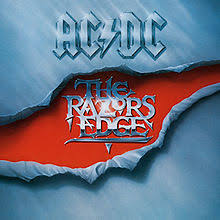
The Razors Edge baffled a generation of ACDC fans who were conditioned to look for sexual innuendo and had no idea whether the reference was phallic or vaginal.
The remainder of the decade, and the start of the next, saw the
group following an established pattern in which they released an album with two
singles that entered the setlist for a massive world tour with a live show that
featured cannons, huge inflatable women and Angus young in school uniform as a
visual representation of the only demographic who were still impressed.
Problems struck the group in 2014 when it was revealed that
Malcolm was suffering from dementia possibly induced by the forgettable nature
of all the music they recorded in the mid-eighties. He was declared too ill to
continue with the group and was replaced by his nephew Stevie. In the same
year, Rudd was arrested in New Zealand on drug and violence charges and
replaced with Chris Slade, one of the drummers who replaced him the last time he
went completely off the rails. Two years later Johnson left the group when told
by doctors that if he continued to perform onstage he would lose his hearing
entirely and become one of the fortunate few who were unable to hear an AC/DC
album. He was replaced by Axl Rose much to the surprise of everyone. Bass
player Cliff Williams promptly retired, claiming the group wasn’t the same
without Malcolm, Phil and Brian, and also probably upset that Axl had taken his
position as resident old, fat, long-haired blond guy.
ACDC were the original bad boys of Australian rock and roll and
throughout the seventies were widely held up as a bad influence on young people
and an indication of declining moral standards.
Forty years later a laneway in Melbourne was renamed in their honour and
opened by the Lord Mayor. Today the only people ACDC are likely to offend are
schoolboys complaining of cultural appropriation.
Comments
Post a Comment