Pioneering Heavy
Metal group who were notorious for having more lead vocalists than original
ideas and for giving Metal its colour scheme (black), visual image (dark) and
musical motif (laughably doom-laden).
.JPG/440px-Black_Sabbath%2C_original_lineup_(1973).JPG)
The original Black Sabbath lineup, looking exactly like the family that live in that woodland cabin the hitchikers stumble across at the start of the horror movie.
Sabbath formed in
the hippie-soaked psychedelic miasma of the late sixties when they were just
another blues band with a silly name. Ozzy Osbourne (vocals, animal
beheadings), Tonny Iommi (guitars, riffage), "Geezer" Butler (bass, increasingly appropriate nickname) and
Bill Ward (drums, joke-butt), called themselves The Polka Tulk Blues Band and
were rightfully ignored by music lovers in their native Birmingham. The group
was destined to go no further than the local pub they called home before fate,
or satan depending on your viewpoint, intervened. A cinema opposite their rehearsal room was screening a Boris Karloff movie entitled Black Sabbath
and Iommi experienced one of the precious few moments of inspiration he enjoyed
throughout his extended career. The group took the title for the name of a song
(Black Sabbath) an album (Black Sabbath) and their band (Black Sabbath), an
early indication of just how short on ideas the group would come to be.
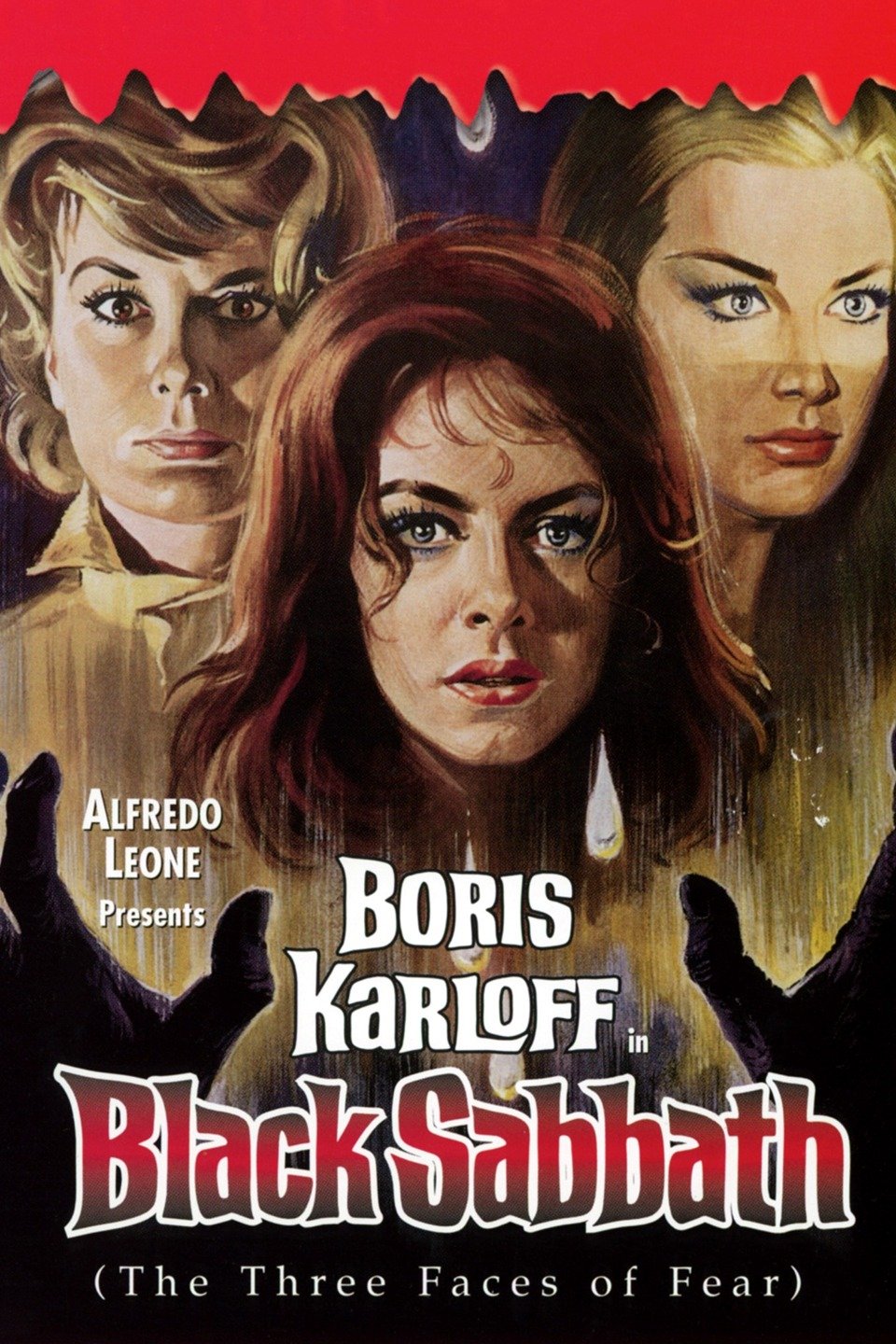
A poster for the movie which inspired the name, song and album. Ironically the three women depicted resemble the audience of every Black Sabbath concert, looking in turns bored, underwhelmed and nervously apprehensive.
Having found
themselves a title, the band adjusted their image accordingly and decided to
adopt music, lyrics and outfits that reflected darkness, doom and horror,
consequently inventing the entire Heavy Metal genre, a style of music which
would have been considerably different if the Karloff movie being advertised
was The Prince and Betty.
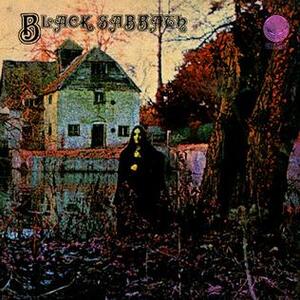
Critics rightly despised the group’s debut album but the public was less discerning and if anything was probably relieved to give their eyes a rest after several years drenched in paisley and tie-dye. Black Sabbath (the album) was a new experience for music fans who were raised on a Beatles-fed diet of peace, love and colour and were presented with an opening track which made use of the tritone, a musical interval which classical musicians had always associated with evil and gone to great pains to avoid. Sabbath embraced the doom-laden sound of a fuzzed out tritone and wrote a set of lyrics which depicted the singer waking up to see a dark figure at the end of his bed. The remainder of the album continued in the same vein with songs like N.I.B. sounding like a love song (with lyrics partially stolen from Buddy Holly) until the singer reveals the figure declaring their affection isn’t a woman but Lucifer, which for most Black Sabbath fans was a more realistic scenario than actually experiencing a genuine human relationship.
The group's debut album. The figure in the foreground isn't Ozzy Osbourne, as many believe but un unknown model named Louise, who made a better spooky figure (and probably a better lead singer).
Critics rightly despised the group’s debut album but the public was less discerning and if anything was probably relieved to give their eyes a rest after several years drenched in paisley and tie-dye. Black Sabbath (the album) was a new experience for music fans who were raised on a Beatles-fed diet of peace, love and colour and were presented with an opening track which made use of the tritone, a musical interval which classical musicians had always associated with evil and gone to great pains to avoid. Sabbath embraced the doom-laden sound of a fuzzed out tritone and wrote a set of lyrics which depicted the singer waking up to see a dark figure at the end of his bed. The remainder of the album continued in the same vein with songs like N.I.B. sounding like a love song (with lyrics partially stolen from Buddy Holly) until the singer reveals the figure declaring their affection isn’t a woman but Lucifer, which for most Black Sabbath fans was a more realistic scenario than actually experiencing a genuine human relationship.
Black Sabbath’s
second album saw them continue their doomish, fuzzy, metal but broaden their
lyrical approach to include anti-war anthems and embarrassing nonsense
about giant robots. The blueprint was set for the remaining ten years of their
career as they continued to flog their one-trick, tritone, musical pony for all
it was worth, accompanied by a monochrome colour-scheme which displayed all the
creativity of their musical output.
After Black Sabbath came Paranoid and then Masters of Reality but two original titles in a row exhausted the group's creative abilities and they resorted to "Vol 4" for their next release title.
For the band’s
fourth album the group relocated to America when
they lived and recorded together in a rented mansion, presumably to reduce the
risk that they would forget where they lived after work or where they worked
after they woke up at home. A change in location saw them change their
substance of choice as the four hard-drinking lads from Birmingham were
introduced to cocaine. The black band’s love of the white powder reached such a
level that the drug was sent to them in crates and the cost of the album’s
recording was significantly dwarfed by the coke bill.
A heady mix of
cocaine, alcohol and social immaturity created an atmosphere more conducive to
near-death experiences than musical production. On one occasion
drummer Bill Ward passed out drunk Osbourne and Iommi decided that instead of
carefully tucking their friend up in bed, they would strip him naked and paint
him gold. Not content with a simple penis drawn on the forehead or a shaved
eyebrow, the dark satanic funsters found a stash of spray paint, nuded-up their
colleague and broke out the spray cans. It was all fun and games until Ward
became violently ill and had to be medically treated for skin suffocation. The
gold paint incident wasn’t the first time Ward and been felled by a band member
with a spray can, he had earlier become seriously unwell when Osbourne spray
painted his penis blue while the drummer was having a leak. Ward was the band’s
favourite target for coke-fuelled high jinx and at one point was hospitalised
because he allowed Iommi to set him on fire. The guitarist had earlier asked
whether he could douse Ward in lighter fuel and ignite him but was told he had
to wait because the drummer had things to do. An hour later Iommi had forgotten
all about the incident (and probably most of the rest of the day) but was
reminded by Ward who said he was heading home and so it was Iommi’s last chance
to set him on fire if he still had the desire and the matches. Iommi gleefully
set fire to Ward and even added more fuel when his home made torch began
screaming in pain. A satanic pact is the only credible explanation for the
bandmember’s ability to survive into their seventies.
_(cropped).jpg)
Bill Ward, captured at a time when he wasn't painted on, burning or passed out.
While Black Sabbath
themselves were more interested in sex, drugs and alcohol, their record label
continued to exploit their dark image and members of their unhinged fanbase
started to take the satan angle far too seriously. The group were frequently
invited to participate in black masses and one on occasion had a curse placed
on them by a satanic group after they refused to become the house band for a
ritual to be held at Stonehenge. Another fan felt he would show his
appreciation for the group by cutting his own wrists and drawing a cross on the
band’s dressing room door in his own blood. If Ozzy was offended or upset then
he’d presumably forgotten about the time he pulled a shark into the group’s
hotel suite and dismembered it while smearing its blood on the walls. Whether
or not this incident occurred in the same hotel in which Osbourne decided to
have a poo in the lift is something the band have never clarified, or more likely can’t recall.

Ozzy Osbourne, who began his career looking like the Devil but ended it looking like the Devil's least favourite Aunt.
By 1979 the group
had ceased to function at all and Osbourne’s drug problems had become so severe
that even the other members of the band had started to notice. After almost a
year spent failing to record any new materia,l the group decided to tell Osbourne
he was sacked in the vain hope that he’d be sober enough to comprehend the
message and capable of recalling it the next day.
Osbourne’s
departure marks the opening shot in a dizzying three decades in which the group
continued with an ever-changing array of personnel that not even the most
fanatic Sabbath-head can recall without access to notes or a ouja board. For
the remainder of their career the group had 48 official line ups with all
except Iommi passing through the revolving door of band membership so often
that Iommi not only needed a setlist he probably needed a bandlist to recall
the names of the people he was onstage with. The first replacement was Ronnie
James Dio, who is slightly shorter than his last name but regarded as a legend
among heavy-metal singers for his ability to shriek at high volume. Dio lasted
a few years but his brief tenure saw the departure of Ward who felt the group
lacked something without Osbourne’s vocals and deft hand with a spray can.
Iommi and Butler fired Dio soon afterwards after several days spent bickering about how loud the vocals should be mixed in an upcoming live album.
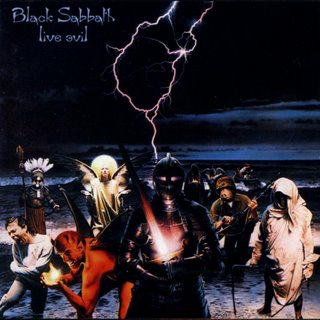
1980's Live Evil, which temporarily broke up the band. The title's two words were anagrams of each other, which might have been considered clever if Miles Davis hadn't used it ten years earlier.
Dio was replaced
with former Deep Purple vocalist Ian Gillan and Ward returned, probably too
drunk to recall he’d actually left in the first place. Gillan’s time with the
group saw Sabbath’s already tenuous grasp on credibility eroded still further
by the presence of a massive and ill-advised stage set which saw their live shows
become something of a running joke. Manager Don Arden (father of
Osbourne’s wife Sharon) had ordered the building of a replica Stonehenge but handwrote the
designs specifying metres instead of feet as he had intended. Consequently, the
set was a massive and unwieldy travesty which the band couldn’t transport and
no stage could accommodate even if they could. The incident closely mirrors the
famous Stonehenge scene from This is Spinal Tap which was released the
following year and is far too similar to be credited to coincidence as members
of the band claim.
Gillan left after a short tenure and Iommi staggered on with whoever he could rope into performing to the band’s steadily dwindling fanbase. Tours were cancelled and record labels lost interest as the band continued as a satanic nostalgia act.
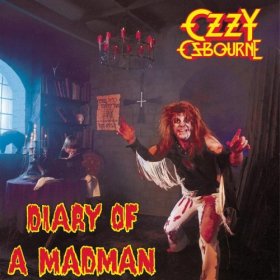
Gillan left after a short tenure and Iommi staggered on with whoever he could rope into performing to the band’s steadily dwindling fanbase. Tours were cancelled and record labels lost interest as the band continued as a satanic nostalgia act.
Osbourne in the 1980's during a time when he looked like he had surrendered control of his hair and makeup to Satan's least favourite niece.
Meanwhile Osbourne
had recovered from a three month, hotel-based bender of epic proportions to
launch a solo career which saw him become the clown-prince of darkness. With a
face that was increasingly resembling a scooby doo villain and so much eyeliner
on he looked like his eyes were in danger of falling into a hole, he roamed the
planet shrieking hair metal ballads to teenagers and developing a reputation as
a danger to himself, wildlife and national monuments.
Osbourne’s first
oral decapitation of an innocent creature occurred in 1981 when he attended a
record company event with some live doves. The intention was to release a dove
as a sign of peace but Osbourne ventured off script and instead put the bird’s
head in his mouth, bit down hard and spat the severed head at an inconsolable
female record executive. He was, not surprisingly, drunk at the time, a condition
he also enjoyed on another meeting with record executives which saw him strip
naked and goose step on a boardroom table before relieving himself into an
executive’s beverage. It says much for the music business in the 1980’s that
this sort of behaviour didn’t see him banished from the industry but had label owners toasting his success (presumably from a freshly washed glass).
Ozzy’s more celebrated oral decapitation occurred onstage in 1982 when he bit the head off a bat thrown onstage by a fan during a concert. To this day there is still considerable debate as to whether the bat was dead or alive at the time and whether Ozzy knew the bat was real or thought it was toy. Whichever version is true, the fact remains that Osbourne fans are the sort of people who bring bats, either living or deceased, to his concerts and Osbourne is the sort of person whose first reaction to receiving a realistically simulated flying rodent is to bite its head off before checking to see if it has a pulse.

Osbourne expressed remorse for the bat-biting incident, at least until he realised he could make money selling plush-toy bats with detachable heads.
Remarkably the bat
incident wasn’t Osbourne’s biggest scandal of 1982. Earlier in the year, he
urinated on a public monument in San Antonio. The good people of Texas don’t
take kindly to foreigners disrespecting monuments erected to remember those who
died at the Alamo and would have been angry even if Osbourne was formally attired, the fact that he was wearing his wife’s dress at the time probably
didn’t help.
Despite, or more
likely because of, his various controversies, Osbourne’s career continued to
flourish as he embraced the Prince of Darkness image despite looking
increasingly ridiculous as the decade progressed. He managed to continue
releasing albums and touring despite regular blackouts, including one that saw
him wake up in prison with no memory of the crime that put him there (he
attempted to strangle his wife). Presumably, a similar blackout saw him agree to
appear in a margarine advertisement in which he baked fairy cakes with an
Osbourne impersonator who actually sounded more convincing than he did.
By the late 90’s
Osbourne had taken over the mantle of Black Sabbath entirely. While Iommi
continued to try and forge a career using the band’s name and anyone with free
time on their hands, Osbourne performed Sabbath songs to huge crowds who
arrived hoping for a bat-heading to really make their evening. The two joined
forces in 1997 and Ward and Butler joined for a reforming of the original Black
Sabbath line up and a future which looked promising until it was tragically cut
short by the intervention of reality television.
For reasons that
nobody has ever been able to adequately explain, executives at MTV decided the viewing public was ready for a reality program which featured Osbourne, his
wife, their dogs and the only children he possessed who were too stupid to
realise how ridiculous they would appear. The Osbournes ran for several years
while viewers watched Ozzy dodder around his house like a confused elderly
Satanist and made stars of his wife and children who had no discernible talent
other than inherited fame and a desperate need for attention.
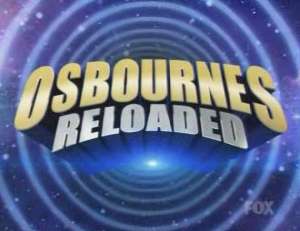
Osbournes Reloaded, the unsuccessful, and long forgotten, follow up to The Osbournes which was so terrible cancelled after one episode. Critics claimed the show's biggest problems were the script, the audience, the concept and the stars.
Iommi, Butler and
Osbourne reunited in 2013 to record and perform new music together to the delight
of their fanbase and the surprise of everyone else who assumed they had died
several years before. Not surprisingly the group appeared onstage wearing black
and looking exactly like they always had and played yet another version of
Paranoid for their increasingly age-affected audience.
Comments
Post a Comment